Savers in this article
Saver guide
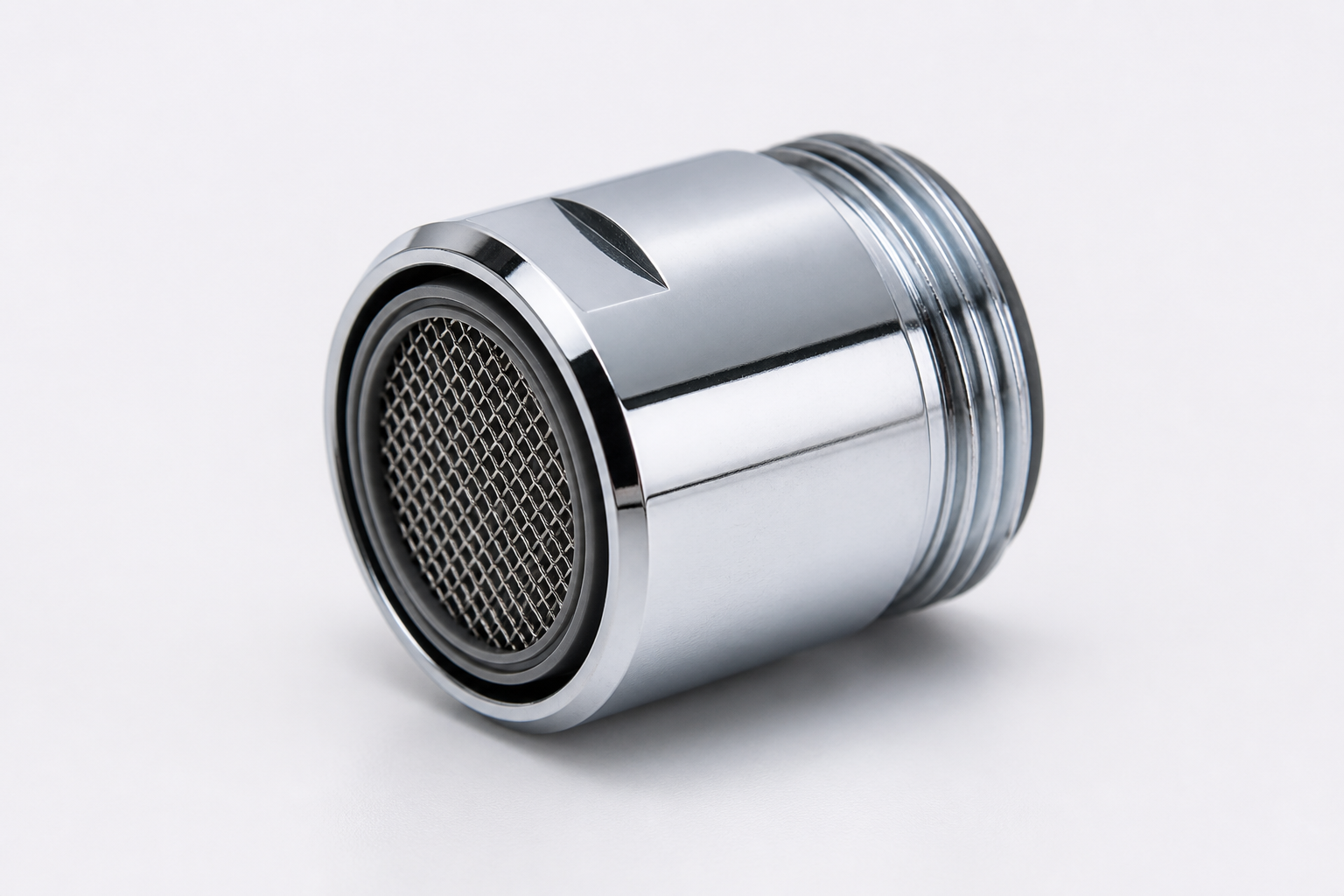
Faucet aerator
Cut tap water use without losing pressure feel
How it works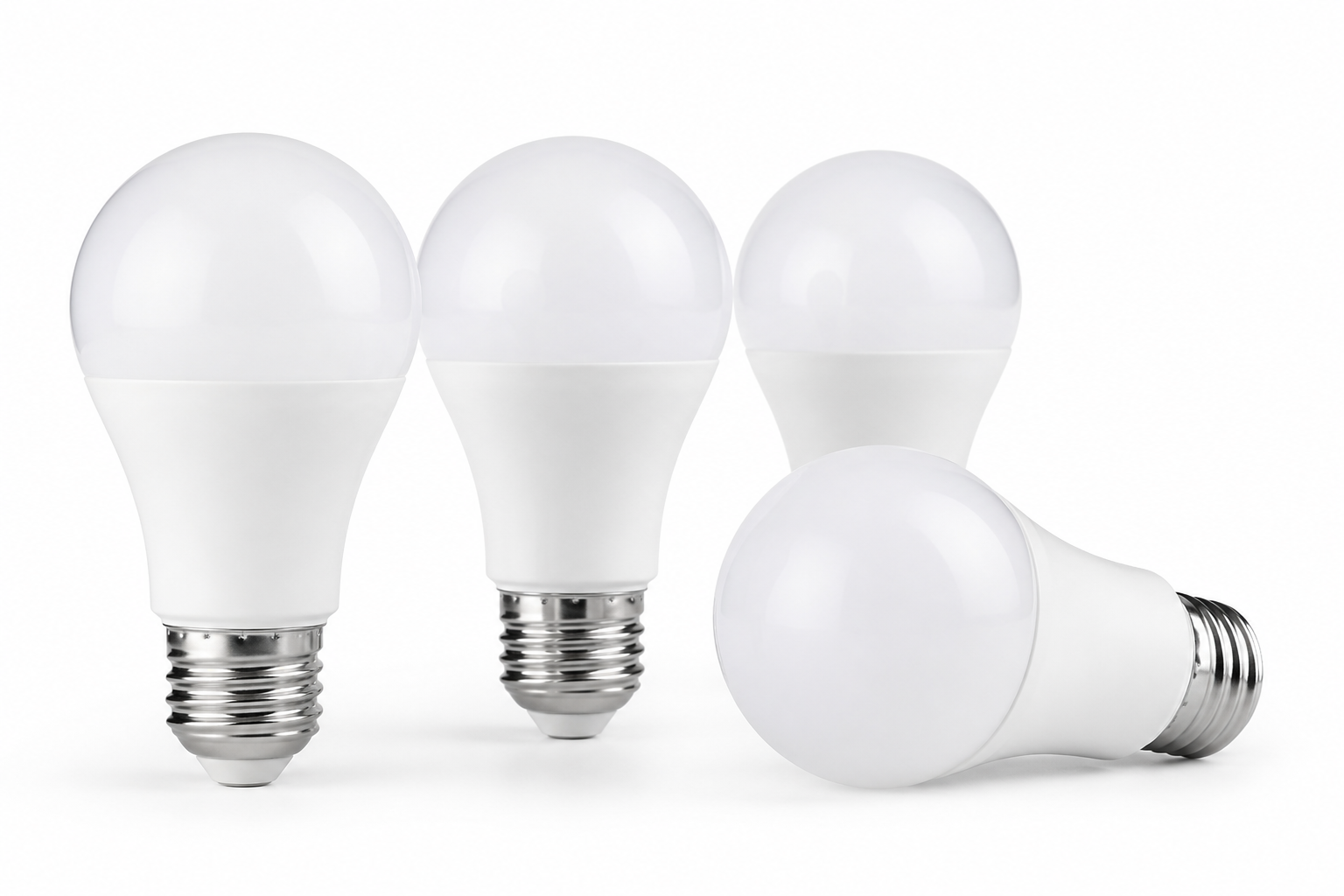
Saver guide
LED household bulbs
Same light, a fraction of the watts
How it works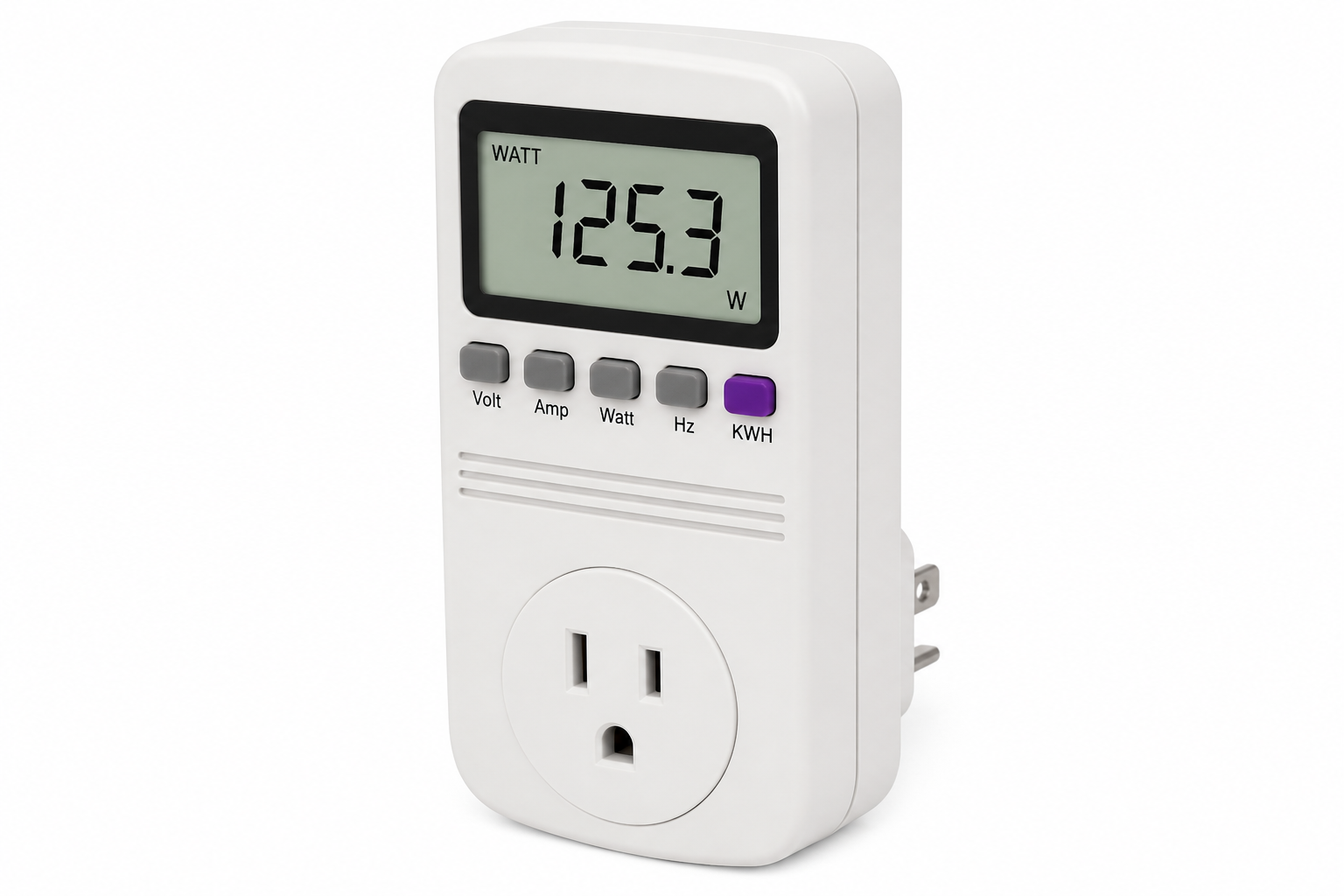
Saver guide
Plug-in power meter
See which devices waste watts
How it works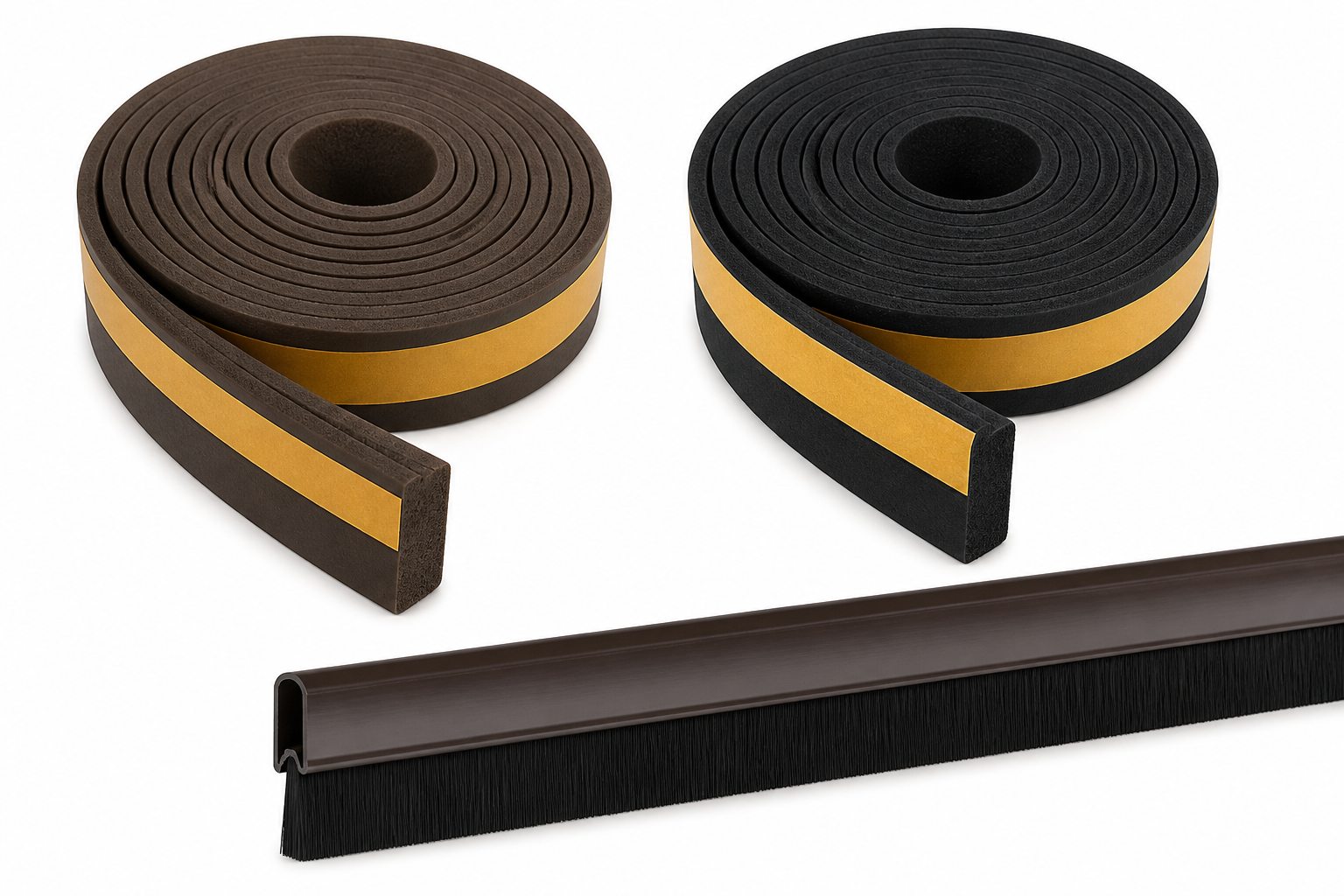
Saver guide
Door weatherstripping
Stop paying to heat the outdoors
How it worksA home utility audit is a weekend detective job: electricity, water, and heat leaks. You’re not becoming an engineer — you’re finding the top three wastes you can fix with under $50 and a few habits.
Block three hours across Saturday and Sunday. Bring a notepad, phone camera, and optional plug-in energy meter.
Step 1 — Gather bills
Pull the last 12 months if you can. Mark seasonal spikes. Note delivery charges vs usage — you can only attack usage directly, but usage still matters.
- Write baseline: average kWh, water units, and heat fuel.
- Circle months that look weird — guests, WFH changes, cold snaps.
- Photograph your meter locations for easy rereads.
Step 2 — Electric walkthrough
Map standby clusters, fridge seals (dollar-bill test), dryer lint, and lighting hours. Swap the highest-use bulbs. Put entertainment on a switched strip.
Step 3 — Water walkthrough
Toilet dye test, aerators, shower timing, irrigation if you have it. Fix drips before buying fancy fixtures. Log meter overnight with no intentional use — movement suggests a leak.
Step 4 — Heat and envelope
Draft hunt on a windy day: doors, attic hatch, outlets on exterior walls. Close chimney dampers if applicable. Check filter on forced air. Don’t block returns.
- Door sweeps and plastic window film are fair first weapons.
- Radiator bleed if tops are cold.
- Thermostat schedule matched to real occupancy.
Step 5 — Pick three fixes
Overwhelm kills audits. Choose three actions with owners and dates. Recheck bills in 30–60 days. Photograph “before” for motivation.
One measured change beats ten unread tips.
Store your notes in the same place as the bills. Next season’s audit starts with last year’s baselines — that’s how households actually improve.
When to call a pro
Suspected gas smells, electrical burning odors, flooded areas, or a furnace that cycles wildly — stop DIY and get qualified help. Audits find issues; they don’t replace safety.
Share results with housemates as numbers and one ask each — not a lecture. Cooperation beats perfect spreadsheets.
Join our community of like-minded people
12,480+ people already save with Enrev. One email a week, a free PDF right after you subscribe, and zero spam.
🎁 PDF “10 hidden money leaks in your home” — right after you subscribe.
Keep reading