Lower your water heater temperature safely
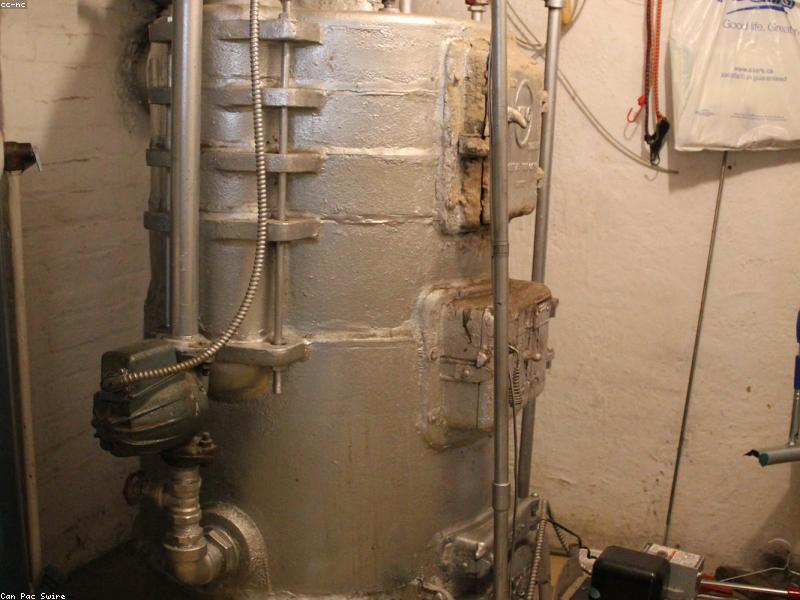
Factory water-heater setpoints are often hotter than you need — wasting energy and raising scald risk. Turning down a few degrees is free, reversible, and measurable on the next bill.
This teaser covers safe targets. Club adds tank vs tankless notes and Legionella-aware guidance.
A practical target
Many households do well around 120°F (49°C) at the tank for balance of comfort, safety, and savings — confirm local codes and household needs (dishwasher sanitizing, immunocompromised residents). Use a thermometer at the tap to verify.
- Mark the dial before changing so you can revert.
- Wait a day for temperature to stabilize before judging comfort.
- Insulate the first feet of hot pipe if accessible.
Finding the dial
- On many tanks the thermostat sits behind an access panel.
- Note the current setting with a photo before you change anything.
- Make small adjustments and recheck water at the tap the next day.
Comfort vs savings
If showers feel lukewarm after a drop, nudge up a few degrees rather than jumping back to the factory max. Mixing valves at taps (where installed) also change what “120°F at the tank” feels like at the spout.
Factory hot is often hotter than you need — and more expensive than you think.
Club unlocks the full setpoint walkthrough, mixing-valve notes, and a vacation mode checklist. Subscribe for the complete water-heater guide.
Hot enough, not scalding
Many tanks ship hotter than daily washing needs. Lowering a few degrees can cut standby loss while still staying in a safer band for household use — but households with certain health considerations should follow local guidance on minimum temperatures. Always know whether you have a tank or tankless unit before you twist a dial.
- Mark the original setting with tape before you change anything.
- Change in small steps and test taps the next day.
- Insulate the first metres of hot pipe if they are accessible and allowed.
Members unlock the target ranges we discuss, safety caveats, and a one-page adjustment checklist.
Keep reading — it’s free
This one is for members. Join the Enrev Club to unlock the full article — and we’ll use your in-article answers to personalize the starter PDF.
- Full access to every hack, guide, and Lab verdict
- A PDF tailored to the quick checks you answered
- One weekly email — no spam, unsubscribe anytime
Already a member? Use the same email to keep reading.
Keep reading