When to swap tires so the shop doesn’t overcharge you

Savers in this article
Saver guide
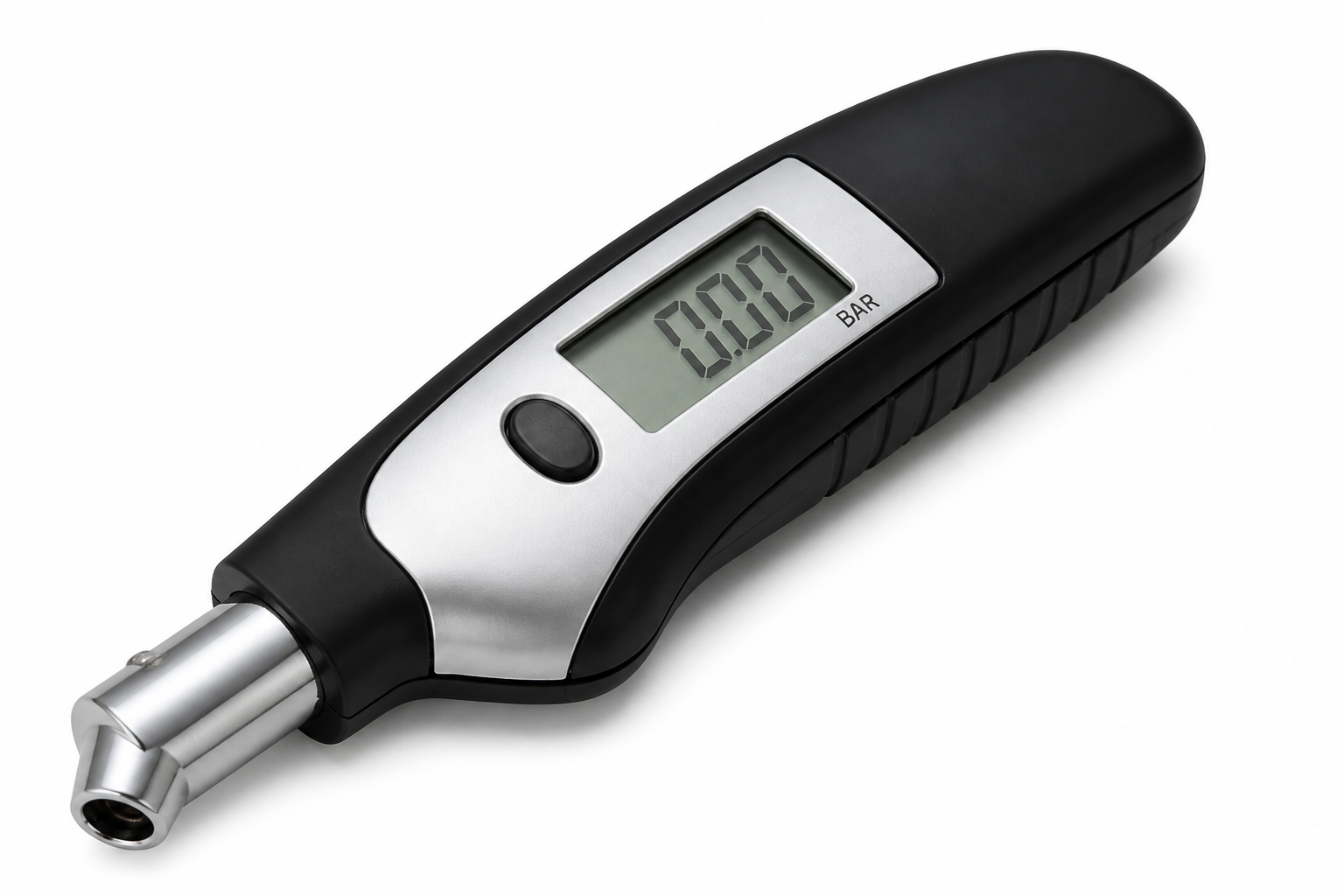
Digital tire pressure gauge
Correct PSI = real fuel and tire life
How it works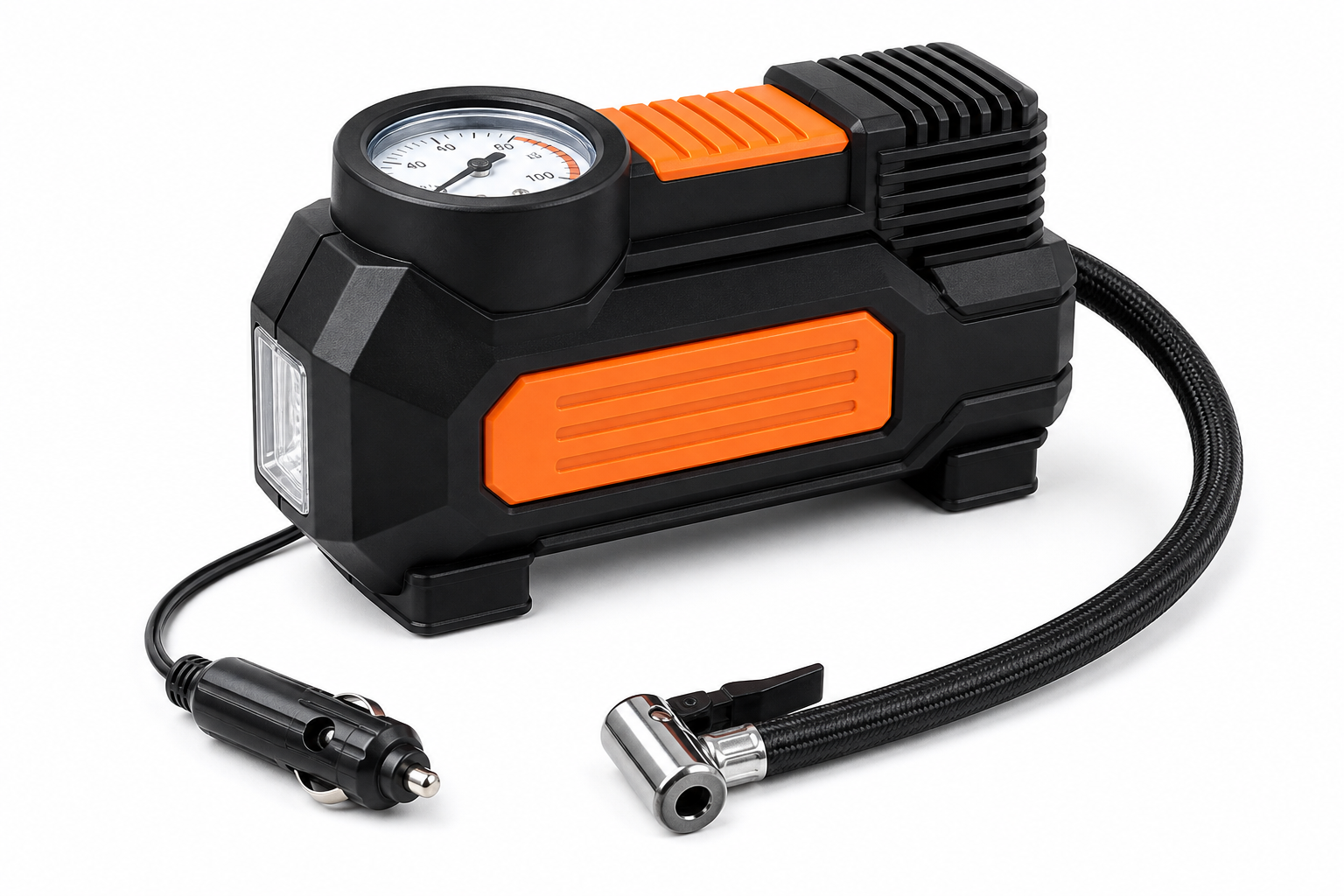
Saver guide
Portable 12V air compressor
Top up tires anywhere there’s a socket
How it worksShops love urgency: “You need winters now” the first cool week of October. Sometimes they’re right. Sometimes you’re buying early convenience at peak markup. Knowing when the swap actually matters protects both safety and wallet.
Here’s how to time the change, spot pressure to upsell, and store tires so they last more than one season.
Temperature beats the calendar
All-seasons lose grip as average temps stay below about 45°F (7°C). If your mornings are consistently in that range and you drive hills or untreated roads, winters earn their keep. Mild coastal climates may not need a full swap — honest assessment beats fear.
- Check tread depth; winters below ~5/32" are tired of being winters.
- Match load/speed ratings to the vehicle door sticker.
- Same size axle-to-axle unless the manufacturer says otherwise.
Shop timing and quotes
Late fall rush means longer waits and less room to negotiate. Mid-season and early spring swaps are calmer. Get the out-the-door price: mount, balance, disposal, TPMS service — not just the tire sticker.
Upsells to question
Nitrogen fill, road-hazard packages, and “must replace all four today” deserve a pause. Replace in pairs on an axle minimum; four is ideal when tread differs a lot on AWD — follow the vehicle manual. Road hazard can be fair if you shred sidewalls on city potholes; skip if you already have solid insurance and careful driving.
Storage that doesn’t ruin rubber
Clean tires, dry them, and store cool and dark — not in a sunny balcony. Stack or use a rack; avoid hanging by the rim for long periods if the manufacturer advises against it. Mark rotation position with chalk.
Buy grip for your climate — not for a sales calendar.
If you’re on the fence, check morning temps for two weeks and your commute’s road treatment. Then call two shops for comparable quotes. Safety first; panic pricing optional.
Keep a note of install dates and tread depth each season. Patterns tell you when to replace before a shop “discovers” it for you.
Join our community of like-minded people
12,480+ people already save with Enrev. One email a week, a free PDF right after you subscribe, and zero spam.
🎁 PDF “10 hidden money leaks in your home” — right after you subscribe.
Keep reading